The Brotherhood We Were Meant to Have
Human attraction is far more complicated than most people realize.
Most of us grow up thinking attraction is primarily about physical appearance. But the human nervous system is constantly responding to far more than looks alone: scent, voice, body language, emotional energy, calmness, confidence, safety, familiarity, and even subtle biological signals we do not consciously recognize.
In Part 3 of The Brotherhood We Were Meant to Have, we explore the deeper layers of attraction — from the science of chemistry and compatibility to emotional safety, nervous system regulation, admiration, and the powerful ways human beings are often drawn toward the people who make them feel grounded, understood, and alive.
The Brotherhood We Were Meant to Have
There is something many men quietly recognize, even if it is rarely talked about openly.
Younger men often seem drawn toward older men who feel calm, grounded, emotionally steady, and safe to be around. Not necessarily because of status or authority, but because grounded masculine presence feels increasingly rare in modern life.
In Part 2 of The Brotherhood We Were Meant to Have, we explore why younger men are gravitating toward emotionally steady older men, how Gen X grew up differently, and why admiration, mentorship, emotional safety, and attraction are often far more connected than modern culture knows how to explain.
The Brotherhood We Were Meant to Have
There are certain movies that affect men in ways that are difficult to explain.
Not because of explosions, romance, or nostalgia.
But because somewhere deep down, those stories showed us something many boys and men quietly long for: friendship, mentorship, emotional safety, belonging, guidance, and brotherhood.
In Part 1 of The Brotherhood We Were Meant to Have, we explore why films like Stand By Me, The Karate Kid, and Good Will Hunting resonated so deeply with so many men — and what those stories may have been teaching us about connection, grounding, and the kinds of relationships human beings were never meant to live without.
Why Some People Feel Magnetic
There are some people you meet and instantly feel at ease around.
No effort. No performance. No pretending.
Modern culture often reduces attraction into only a few categories: friendship, romance, or sex. But human connection has always been far more complicated than that. Long before labels existed, human beings were reading each other through instinct, emotional safety, body language, scent, trust, and nervous system connection.
What if some forms of attraction are not simply about sexuality at all?
What if part of what we are feeling is safety, familiarity, admiration, brotherhood, or the deep human need to belong?
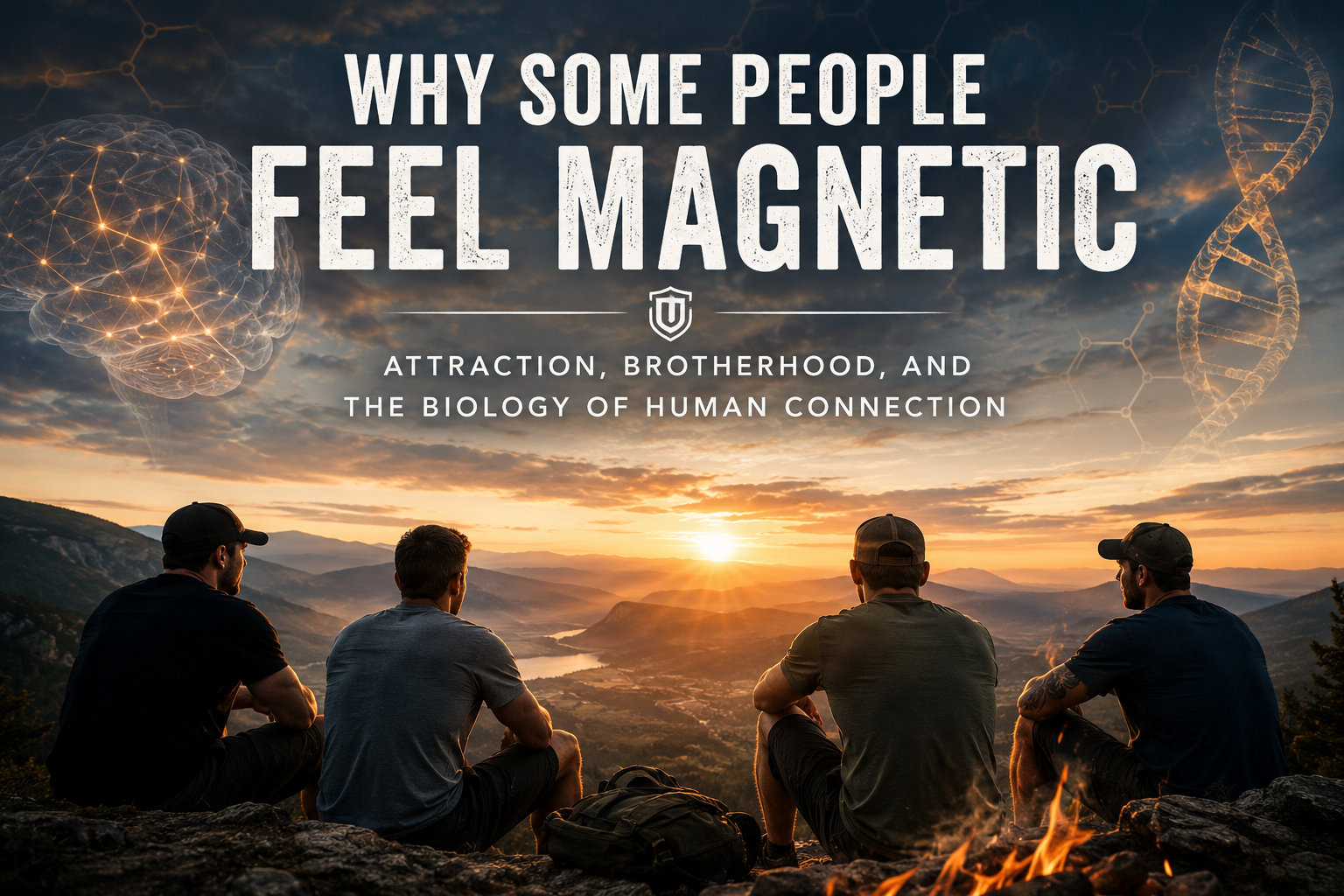
In this article, we explore the biology of attraction, the science behind the Major Histocompatibility Complex (MHC), and why certain people feel magnetic long before the mind understands why.
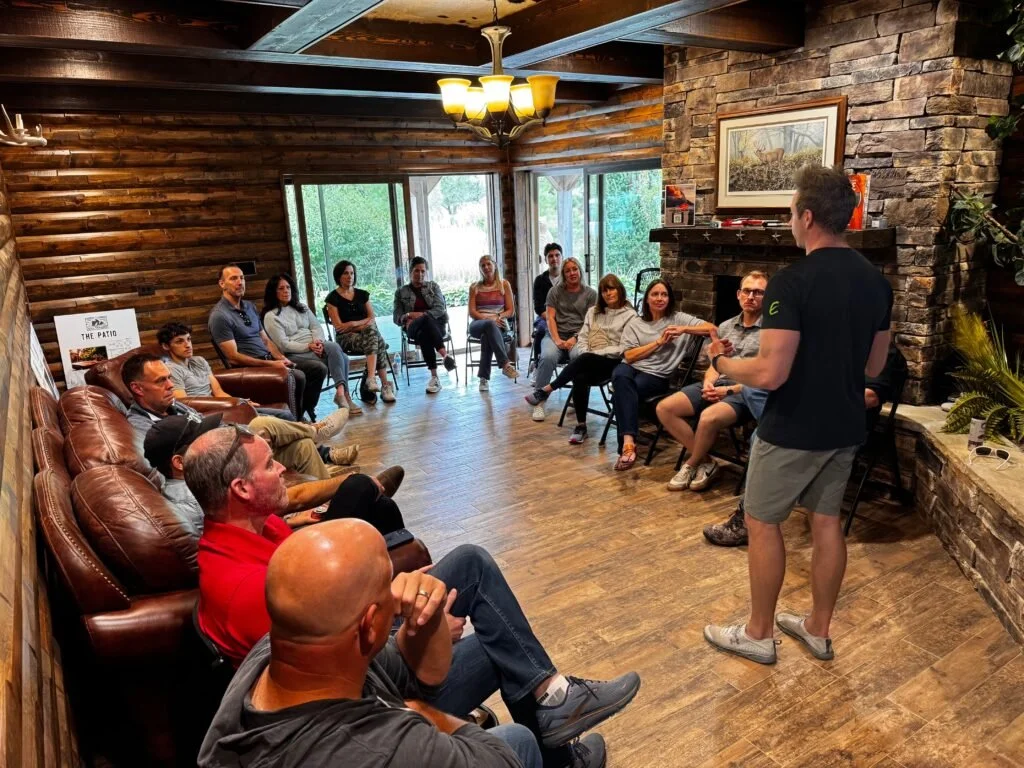
Why Rooms Like This Matter
In a world where many men carry life quietly and alone, honest rooms matter more than ever. This article explores why brotherhood, real conversation, and the passing of wisdom between generations can be powerful medicine in modern life.
Is Monogamy Natural?
This isn’t about rejecting monogamy—it’s about choosing it consciously. When men start having honest conversations about desire, connection, and truth, a different picture begins to emerge.

What Evolution Says About Sex
This isn’t just about sex—it’s about understanding desire without shame. When you look at human biology through an evolutionary lens, it invites a deeper conversation about connection, instinct, and what we’ve been taught to suppress.
Why This Brotherhood Works And Why It Hits Deeper Than You Expect
This wasn’t just a hangout. It was what happens when multiple human needs—connection, touch, validation, belonging—are met all at once. Most men don’t even realize they’re missing that… until they feel it.

Brotherhood Was Our First Therapy
Before therapists, there were brothers. Men didn’t need a couch or a diagnosis—they had each other. What once healed us is now questioned, labeled, and often avoided. And the cost of that shift is showing up everywhere.
Brotherhood Is Biological: The Science Behind What You're Craving
Men aren’t broken—they’re deprived. Deprived of touch, of trust, of real connection. And the longer we ignore what our biology is asking for, the more it shows up as stress, isolation, and quiet suffering.
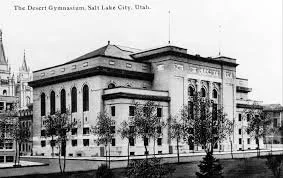
The Deseret Gym: What LDS Men Lost When It Closed
This isn’t just a story about the Deseret Gymnasium. It’s about what it represented—a space where LDS men could be seen, grounded, and connected in ways that didn’t need to be explained. What we’re building now isn’t new—it’s a return to something we once had.

Reclaiming the Spirit of the YMCA
Men used to find their place in the presence of other men—without needing to prove anything. Spaces like the YMCA offered a quiet kind of belonging that’s hard to find today. And without it, many are left searching for connection in all the wrong places.
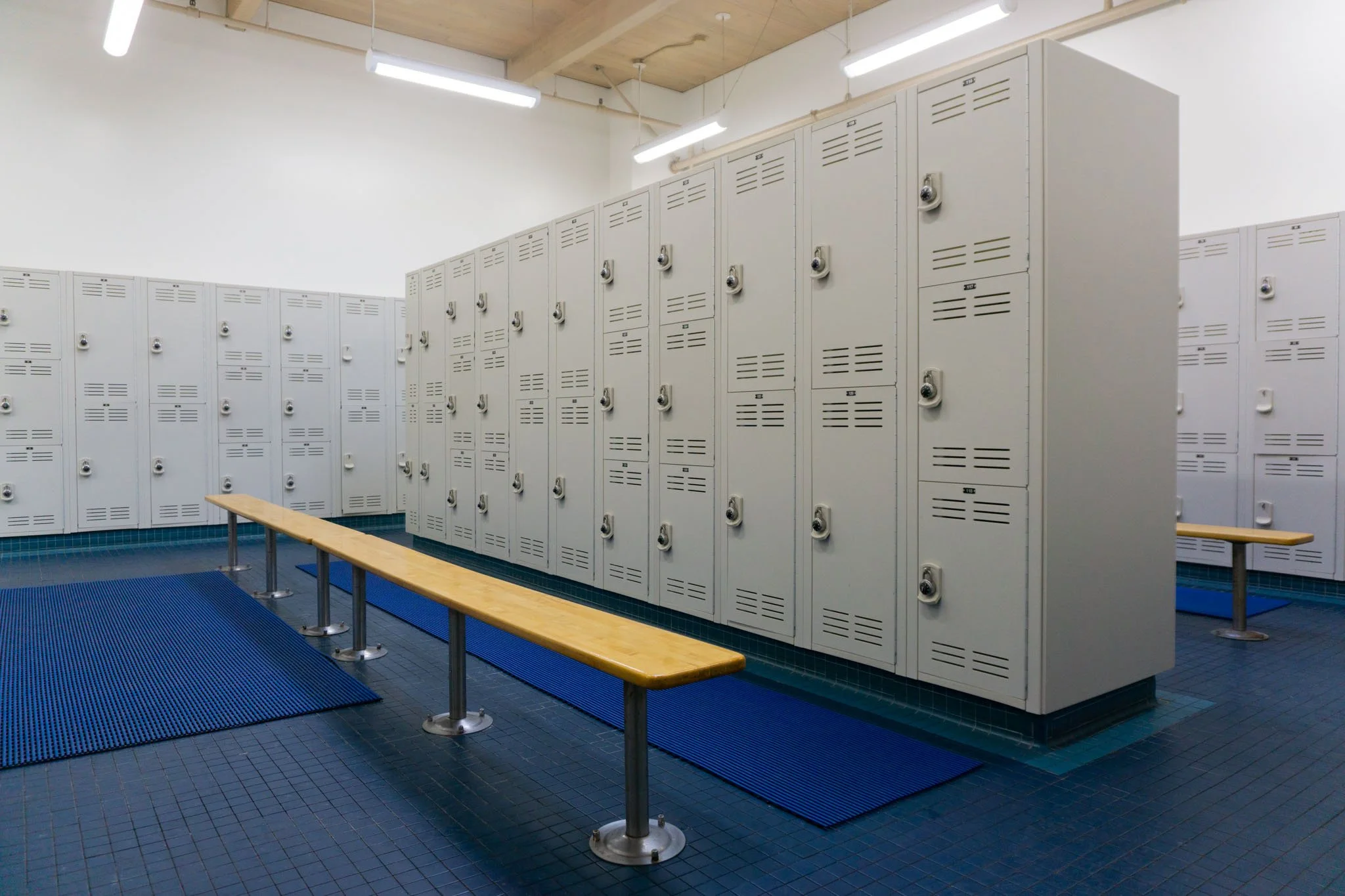
The Death of the Men's Locker Room — And What We Lost With It
This isn’t just about locker rooms. It’s about what they represented—a place where men could be seen, accepted, and grounded in the presence of one another. As those spaces disappeared, so did a subtle but powerful form of connection. And the cost of that loss is showing up in ways we can’t ignore.